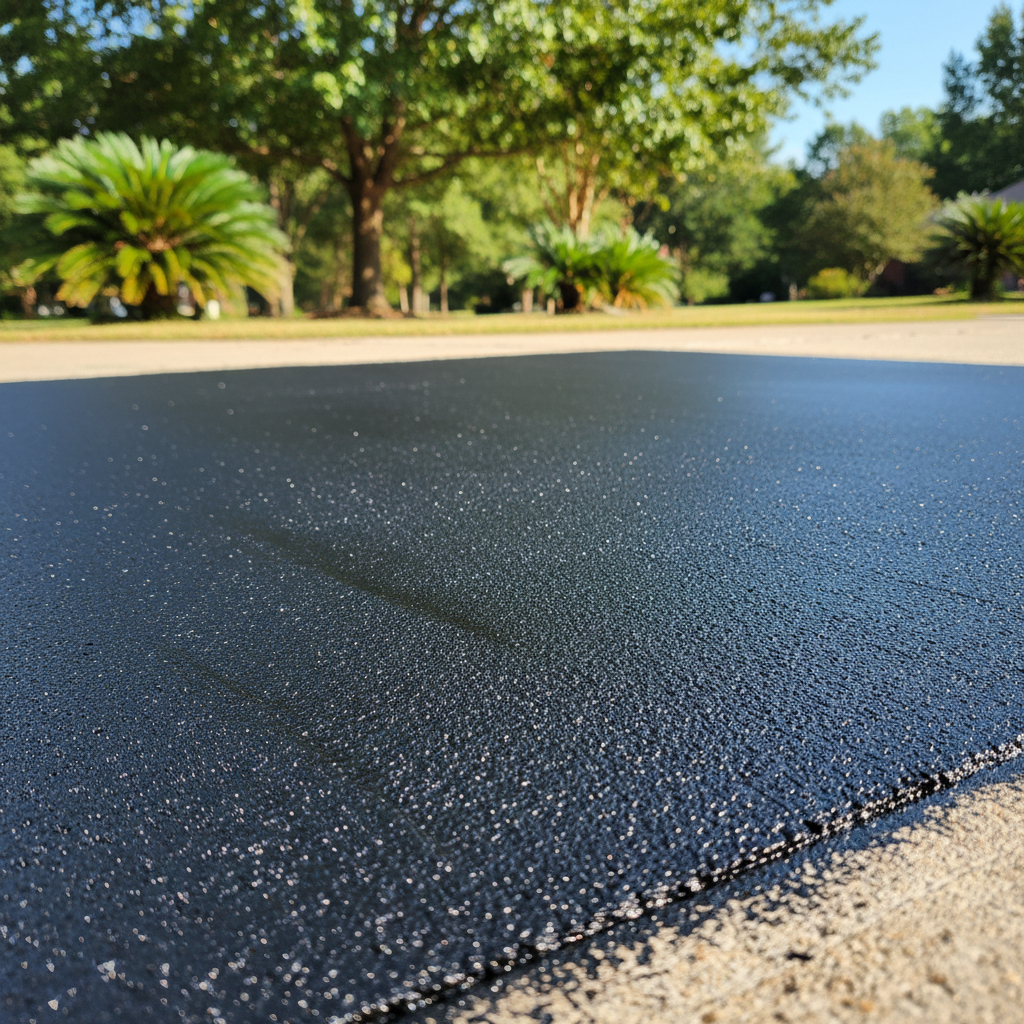
What Exactly Is Slurry Coating?
Let's get right to it: what's slurry coating? You've probably heard of sealcoating, right? Well, slurry coating is kind of like sealcoating's tougher, thicker cousin. It's a mix of asphalt emulsion, aggregates (that's just a fancy word for small stones or sand), water, and a few other things. When you put it down, it fills in tiny cracks and voids, smooths out minor surface flaws, and gives your asphalt a fresh, consistent look. It's not for structural repairs, mind you, but it's excellent for making an already sound driveway last longer and look sharp.
Think of it this way: if your driveway is starting to look a little faded, has some minor surface wear, or hairline cracks, but isn't actually falling apart, then slurry coating might be a good choice. It's a protective layer that helps shield your asphalt from the sun's UV rays, water getting in, and all the general wear and tear that comes with our Alabama weather – especially those hot, humid summers and the occasional freeze-thaw cycles we get. Quite a mix, isn't it?
Before You Even Think About Starting
Alright, so you're thinking about a slurry coat. Before you buy a single bucket, you've got some homework to do. First, take a good look at your driveway. Is it in pretty good shape overall? I mean, are we talking about minor surface issues, or do you have potholes, big cracks, or crumbling areas? If it's the latter, a slurry coat won't fix it. You'll need proper asphalt repair first, and sometimes, that means calling in a pro like Genesis Asphalt Co to get it done right. Slurry coating over major damage is like putting a fresh coat of paint on a rotting fence – it'll look good for a minute, but the real problem is still there and will just get worse.
Next, clean your driveway. And I mean *really* clean it. You'll need to sweep off all loose debris, dirt, and leaves. Then, power wash it. Get rid of any oil stains, grease, or grime. You can use a degreaser for those stubborn spots. Any gunk left on the surface will stop the slurry from sticking properly, and then all your hard work is for nothing. Make sure it's completely dry before you start applying anything. This isn't a quick job; it might take a day or two just for prep, especially if you've got a lot of cleaning to do or if our Birmingham humidity is hanging around.
Finally, check the weather forecast. This is super important. You need at least 24-48 hours of dry weather with temperatures consistently above 50°F (and ideally not much higher than 90°F) for proper curing. Don't even try this if rain is in the forecast or if it's going to dip below freezing overnight. You'll definitely regret it.
DIY Slurry Coating: What You Can Tackle
If your driveway is small, in decent shape, and you're okay with a bit of physical labor, you *can* do a slurry coat yourself. Here's what you'll need and how you'd go about it:
- Materials: You'll need the slurry coating product itself (it usually comes in 5-gallon buckets), a good quality squeegee with a long handle, a stiff-bristle brush for edges, and some safety gear like gloves and old clothes.
- Application: Once your driveway is clean and dry, open your first bucket. Give it a good stir. Pour a manageable amount onto the driveway and use your squeegee to spread it evenly in thin, uniform coats. Work in small sections, always keeping a wet edge to avoid lap marks. You'll typically apply two thin coats, letting the first one dry completely (usually 4-8 hours depending on temperature and humidity) before putting on the second. Don't go too thick; that's a common mistake people make. Thicker isn't better here; it just means it won't cure right and might crack.
- Edges and Details: Use your brush to carefully apply the slurry along the edges of your driveway, where it meets your house or landscaping. You really don't want to get this stuff on your brick or plants, so take your time.
The biggest challenge for a DIYer is getting an even, consistent coat without streaks or puddles. It takes practice, and it's physically demanding. For a typical suburban driveway in areas like Vestavia or Homewood, it's a significant undertaking.
When to Call in the Pros
Look, I'm a contractor, so you might think I'd always say