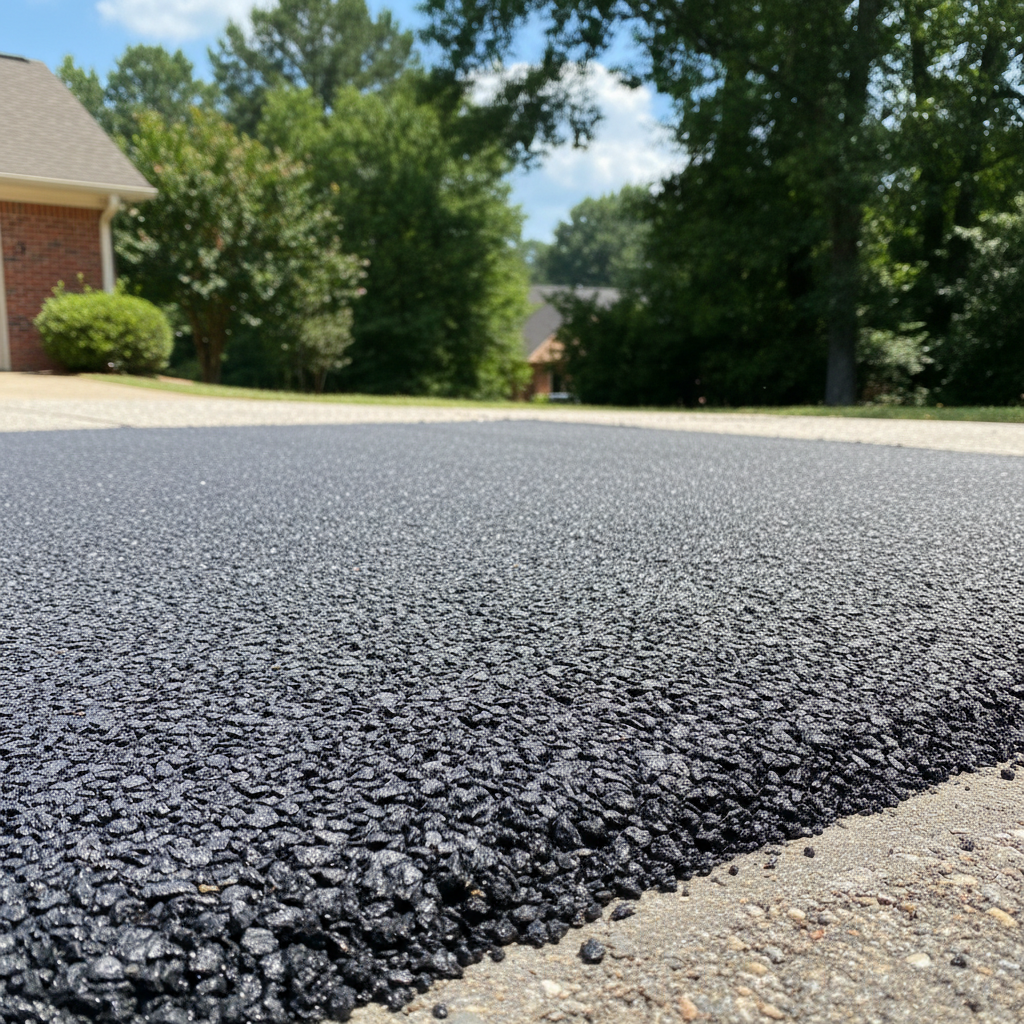
So, you've got a crack or a pothole in your asphalt driveway, and you're probably wondering if you can just fix it yourself. Fair question, right? Nobody wants to spend money they don't have to, and honestly, some asphalt issues are totally within a handy homeowner's reach. But there's a line, and knowing exactly where that line is can save you a ton of headache and wasted effort down the road.
Understanding Your Asphalt's Problem
First things first, let's figure out what kind of damage you're actually dealing with. Not all 'holes' or 'cracks' are created equal, you know? You'll generally find a few main types:
- Minor Cracks: These are usually hairline cracks, maybe a quarter-inch wide at most. They often pop up from normal wear and tear, temperature swings, or just a little bit of settling.
- Alligator Cracking: This looks exactly like alligator skin — a whole network of interconnected cracks. It usually points to a deeper structural problem with the asphalt itself or the base underneath.
- Potholes: These are deeper depressions where the asphalt has completely broken away, leaving a literal hole. They often start when small cracks aren't fixed, letting water get in and erode the base.
- Edge Cracks: You'll find these cracks right along the very edge of your driveway, often where it meets grass or dirt. They can happen if heavy vehicles drive too close to the edge, or sometimes it's just poor drainage.
For minor cracks and really small, shallow potholes (think golf-ball sized or smaller), you might actually be able to handle it yourself. Anything bigger, deeper, or if you're seeing widespread alligator cracking, that's when you absolutely need to call Genesis Asphalt Co or another pro. Trying to patch a major structural issue yourself? That's like putting a band-aid on a broken leg; it just won't hold up.
DIY Patching: What You'll Need & How To Do It (For Small Stuff)
Okay, so you've got a small crack or a tiny pothole. Here's a quick rundown for a temporary fix:
Before You Start:
- Clean it out: This step is super important. Get all the loose debris, dirt, and any plants out of the crack or hole. A wire brush, a stiff broom, or even a leaf blower works great. You need a clean, dry surface for the patch material to stick to properly.
- Square it up (for potholes): If it's a pothole, you might need to grab a chisel and hammer to square off the edges. This gives you a cleaner cut and helps the patch material bond better. You definitely don't want crumbling edges.
- Dry it out: Make sure the area is completely dry. If it's been raining, give it a day or two of sunshine. Patching wet asphalt is honestly just a waste of time and material.
During the Patching:
You'll typically use a cold-patch asphalt repair mix, which you can find at most hardware stores. It comes in bags or buckets.
- Fill it in: Shovel the cold patch material into the hole or crack. Don't just dump it all in; try to layer it if it's a deeper hole.
- Compact it: This is the single most important step for a lasting DIY patch. You need to compact the material thoroughly. For small patches, you can use a hand tamper, a heavy piece of wood, or even drive your car over it a few times (carefully!). The goal is to make it as dense as the surrounding asphalt. You want the patch to be slightly mounded above the existing surface before compaction, so it ends up flush or just a hair below.
After the Patch:
Keep traffic off it for at least 24 hours if you can, especially heavy vehicles. The material needs time to cure and harden. You might notice it settles a bit over the next few days or weeks, which is totally normal. Sometimes you'll need to add a bit more and re-compact it.
When to Call a Pro (Like Genesis Asphalt Co)
Look, I'm all for saving a buck, but some jobs just aren't meant for a DIY approach. Here's when you absolutely should pick up the phone:
- Large Potholes or Deep Cracks: If a pothole is bigger than a dinner plate or deeper than a couple of inches, or if cracks are wider than an inch, a cold patch just won't cut it long-term. You need hot mix asphalt, which requires specialized equipment and expertise.
- Alligator Cracking: This isn't a surface problem; it's a base problem. Patching the top won't fix the underlying issue, and those cracks will simply reappear. You likely need a section of your driveway removed and rebuilt.
- Multiple Issues: If your driveway looks like Swiss cheese with cracks and potholes everywhere, you're past the point of individual patches. You're probably looking at a larger repair, an overlay, or even a full replacement.
- Drainage Problems: If your driveway consistently has standing water after a typical Birmingham thunderstorm, that's a drainage issue. Patches won't fix it; you need someone to assess the grading and possibly install new drainage solutions.
- Safety Concerns: If the damage is creating a tripping hazard or making it difficult to drive or walk safely, get a professional opinion quickly.
We see a lot of driveways in places like Vestavia Hills and Mountain Brook where folks have tried to patch over serious issues, and it just doesn't hold up. The ground here can be tricky, with our clay soils expanding and contracting, and that puts a lot of stress on asphalt. A professional can assess the base, use the right materials, and ensure the patch lasts. Don't hesitate to give us a call if you're unsure. We'd rather you get it done right the first time, wouldn't you?