Do I really need to pave my parking lot, or can I just leave it gravel?
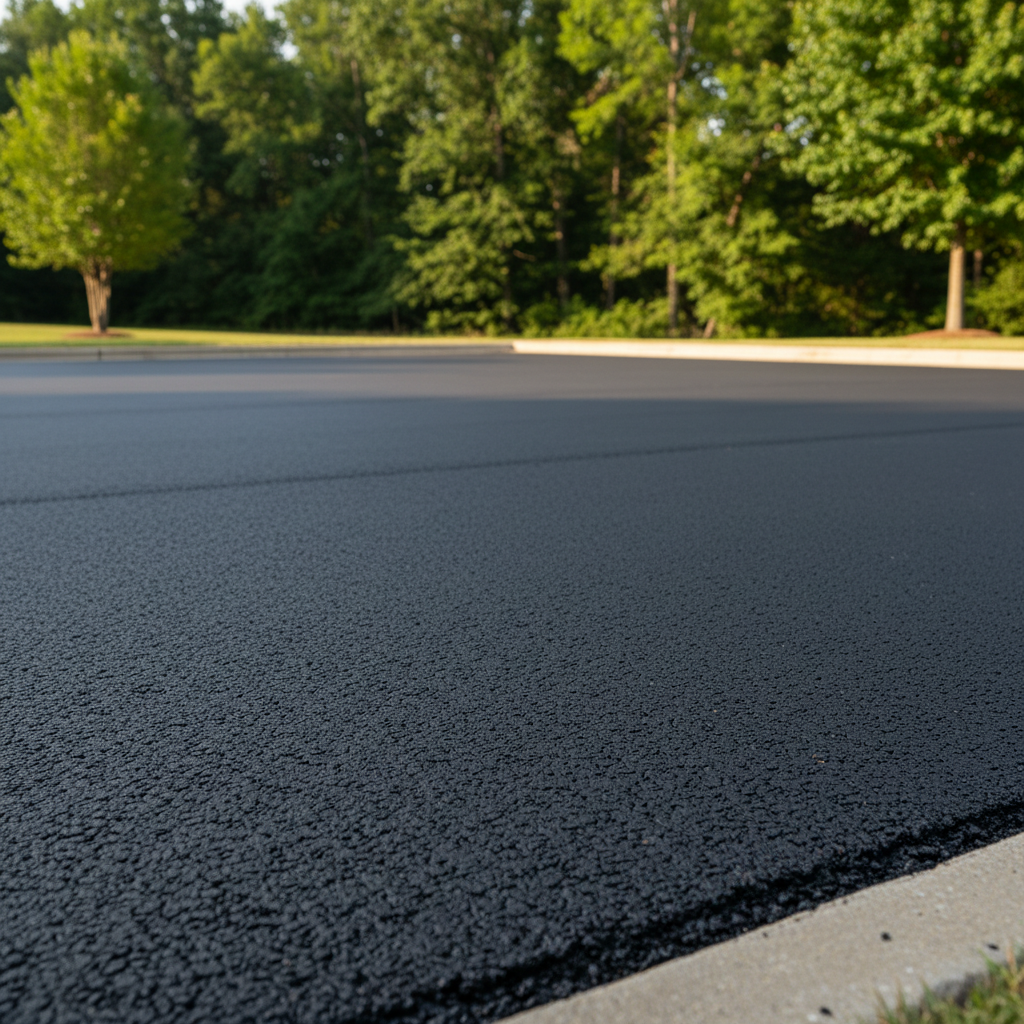
Look, I get it. Gravel's cheaper upfront. But let's be real, especially here in Birmingham with our crazy weather swings – hot, humid summers and then those sudden downpours – gravel just doesn't hold up. You'll get ruts, potholes, dust everywhere, and it washes out constantly. You're constantly adding more gravel, grading it, and fighting against erosion. Over time, that adds up, and you're still left with a less-than-ideal surface. A paved lot, whether it's asphalt or concrete, offers a stable, durable, and much cleaner surface. It’s a better long-term investment for your property's value and usability.
Asphalt vs. Concrete: Which is better for my parking lot?
This is probably the most common question I get, and there's no one-size-fits-all answer. It really depends on your budget, how you'll use the lot, and how long you want it to last.
Asphalt: It's generally more affordable to install initially. It's also more flexible, which is a big plus in places like Birmingham where our soil can sometimes be a bit expansive. That flexibility helps it handle minor ground movement without cracking as easily as concrete. Repairs are usually quicker and cheaper too, often just patching. The downside? It needs more regular maintenance – sealing every few years – and its lifespan is typically 15-20 years if well-maintained.
Concrete: This stuff is tough. It costs more upfront, but it lasts longer, often 25-30 years or even more with good care. It's great for areas with heavy traffic or where you might have heavy vehicles parked regularly. Concrete also reflects more light, which can be a plus for lighting and heat absorption. The big drawback is the cost, and if it cracks, repairs are usually more involved and expensive, often requiring slab replacement. It's also less forgiving with ground movement.
For most residential parking lots, asphalt is often the more practical and cost-effective choice. But if you've got a specific need for extreme durability, concrete might be worth the extra investment.
How long does parking lot paving take?
The timeline varies a lot depending on the size of the lot, the material you choose, and the existing conditions. For a typical residential parking area, say 1,000 to 2,000 square feet, an asphalt paving job usually takes 1-3 days from start to finish. That includes excavation, grading, laying the base, and then the asphalt itself. Concrete can take a bit longer, mainly because of the curing time – you often can't drive on it for several days, sometimes even a week, after it's poured. We'll always give you a clear timeline upfront once we've assessed your specific project.
What kind of maintenance does a paved parking lot need?
This is crucial for getting the most out of your investment.
Asphalt: You'll want to get it sealcoated every 2-4 years. This protects it from UV rays, water penetration, and chemicals like oil and gas. It also gives it a fresh, black look. You should also address any cracks or potholes as soon as they appear to prevent them from getting worse. Simple crack filling can save you a lot of money down the road.
Concrete: It's lower maintenance than asphalt, but not maintenance-free. You should seal it every 3-5 years to protect against moisture and staining. Keep an eye out for cracks and get them repaired promptly. Also, make sure to clean up any oil or chemical spills quickly, as they can stain or degrade the surface.
Regular sweeping or pressure washing helps keep both surfaces clean and prevents debris from causing wear.
How much does it cost to pave a parking lot in Birmingham?
Alright, let's talk dollars and cents. This is tough to give an exact number without seeing the site, because there are so many variables: the size of the area, the current condition of the ground, drainage needs, the thickness of the paving material, and whether you choose asphalt or concrete. Generally, asphalt is less expensive per square foot than concrete. You're looking at anywhere from $3 to $7 per square foot for asphalt, and $5 to $10+ per square foot for concrete, but again, those are very rough estimates. Things like extensive excavation, complex drainage, or specific decorative finishes will push the price up. The best way to get an accurate quote is to have us come out and take a look. We'll give you a clear, no-nonsense estimate for your specific project.
Can I pave over my existing gravel or old asphalt?
Sometimes, yes, but it depends on the condition of what's there.
Over gravel: If your gravel base is well-compacted, stable, and has good drainage, we might be able to pave directly over it with asphalt. But if it's loose, uneven, or prone to washing out, we'll need to stabilize it or even remove and replace it with a proper aggregate base. You don't want to pave over a weak foundation; that's just asking for trouble down the road.
Over old asphalt: If your existing asphalt is mostly intact with only minor cracking and a solid base, we can often do an 'overlay' or 'resurfacing.' This involves cleaning, repairing any bad spots, and then laying a new layer of asphalt on top. It's a cost-effective way to extend the life of your lot. However, if the old asphalt is severely cracked, crumbling, or has major drainage issues, a full 'remove and replace' might be necessary. We'll always assess the existing surface thoroughly to recommend the best, most durable solution for your property.
Got more questions? Don't hesitate to reach out to Genesis Asphalt Co. We're here to help Birmingham homeowners get the best possible paving for their property.