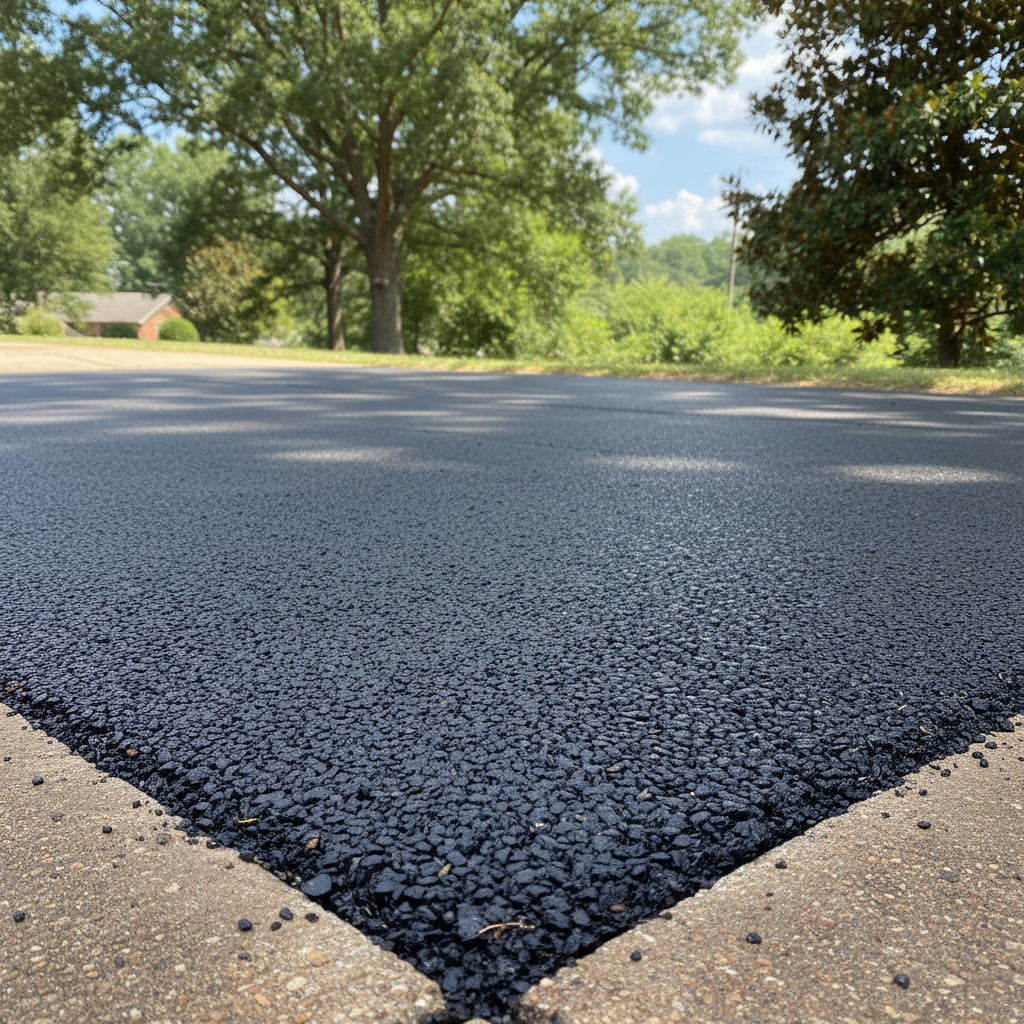
Alright, let's talk about your asphalt driveway. You've probably noticed it's not looking quite as good as it used to. Cracks, potholes, maybe some crumbling edges – it's all just part of owning asphalt, especially with our Birmingham weather cycles. From scorching summers to those occasional icy patches, our climate really does a number on pavement, doesn't it?
So, what can you actually fix yourself? And when should you just pick up the phone and call a company like Genesis Asphalt Co? I want to clear that up for you.
Before You Start: Check Out the Damage
First things first, take a good, hard look at what you're dealing with. Not all damage is created equal, after all.
- Hairline cracks: These are usually pretty small, less than a quarter-inch wide. They're often the first sign of wear and tear you'll see.
- Alligator cracks: This is when your asphalt starts to look like a reptile's skin, with a whole network of cracks crisscrossing. This usually means the base underneath is failing, which is a bigger problem.
- Potholes: These are the obvious ones – depressions or holes in the pavement. They start small and get bigger fast, especially with rain and traffic.
- Raveling: This happens when the aggregate (the small stones) starts to come loose from the asphalt surface. It makes the surface rough and can lead to bigger issues down the road.
Your assessment here is really important. It'll tell you if you're looking at a Saturday morning DIY project or something that definitely needs a professional touch.
What You Can (Realistically) Do Yourself
For the average homeowner, there are a couple of things you can tackle yourself, assuming you're handy and have the time.
- Filling small cracks: If you've got those hairline cracks, you can buy asphalt crack filler at any home improvement store. Clean out the crack thoroughly – get rid of all the dirt and debris. Use a wire brush if you need to. Then, apply the filler according to the directions. It's usually a pour-and-seal kind of deal. This is a good preventative measure, stopping water from getting in and making things worse.
- Patching small potholes (temporary fix): For very small, shallow potholes, you can use cold patch asphalt. It comes in a bag, and you just dump it in, rake it level, and compact it. You can use a hand tamper or even drive your car over it a few times. Now, I'm going to be straight with you: this is almost always a temporary fix. It'll get you through a season, maybe two, but it's not a permanent solution, especially if the base underneath is compromised. It's like putting a band-aid on a gash.
The key here is small and superficial. If the damage goes deeper than the surface layer, or if it's widespread, you're probably wasting your time and money trying to DIY it.
When to Call a Pro (That's Us!)
This is where it gets important. There are definitely times when you need to bring in the experts. Don't mess around with these situations:
- Alligator cracking: This isn't just surface deep. This means the foundation of your driveway is failing. You can patch the top all you want, but if the base isn't solid, those cracks will just come right back. We're talking about digging out the bad sections, repairing the sub-base, and then laying down new asphalt. That takes heavy equipment and specialized knowledge.
- Large or deep potholes: Anything bigger than a dinner plate or deeper than a couple of inches usually needs more than cold patch. We'll use hot mix asphalt for a much more durable repair, and we've got the equipment to properly compact it so it lasts.
- Extensive raveling or crumbling edges: If your driveway is just falling apart, it's past the point of simple patching. This often indicates the asphalt itself is old and brittle, or the binder is failing. You might be looking at an overlay or even a full replacement of sections.
- Drainage issues: If you've got standing water on your driveway after it rains, that's a problem. Water is asphalt's worst enemy. A professional can assess the grading and drainage and fix it so water flows away properly, preventing future damage. Here in Birmingham, especially with some of those older homes in places like Homewood or Vestavia Hills where the lots can be a bit sloped, proper drainage is critical.
Look, I get it. Nobody wants to spend money they don't have to. But trying to DIY a major asphalt repair is often a false economy. You spend money on materials, time, and effort, only for the problem to come back worse because you haven't addressed the root cause. We've seen it countless times.
After the Repair: Keep it Maintained
Once your asphalt is repaired, whether you did it yourself or had us do it, maintenance is key to making it last. Keep it clean, sealcoat it every few years to protect it from the elements, and address any new small cracks as soon as they appear. A little bit of proactive care goes a long way in extending the life of your driveway.
If you're unsure about how bad your asphalt damage really is, or if you just want to feel good about the situation, don't hesitate to give us a call at Genesis Asphalt Co. We're happy to come out, take a look, and give you an honest assessment of what needs to be done. We'll tell you if it's something you can handle or if it's time for us to step in and get it done right.