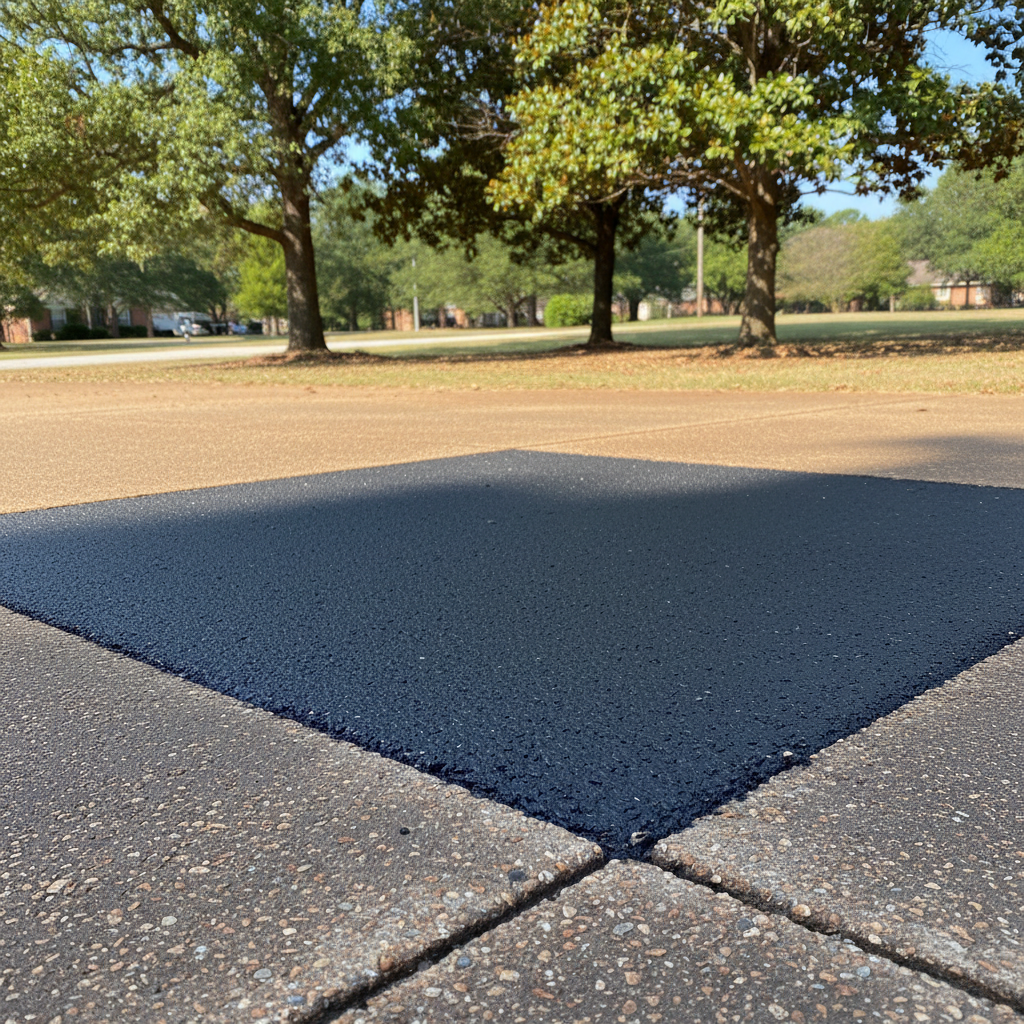
Alright, let's talk about asphalt repair. I've been doing this for a long time here in Birmingham, and I hear the same questions pop up again and again from homeowners. It's good to ask, too! You're investing in your home, and you want to make sure you're doing it right. So, I've put together some of the most common questions I get asked, and I'll give you my straight answers, no fluff.
How do I know if my asphalt needs fixing or a full replacement?
This is probably the number one question I get, and it's a good one because making the right call here can save you a lot of money. Generally, if you've got a few small cracks, some minor potholes, or just some surface wear, you're probably looking at repairs. We're talking patching, crack filling, maybe some sealcoating. These are usually pretty straightforward fixes that extend your driveway's life.
Now, if your driveway looks like a spiderweb with cracks running everywhere, if it's got significant dips or areas that are crumbling badly, or if you're seeing water pooling in big sections, then you're likely past the point of simple repairs. That usually means the base underneath is shot, and no amount of patching on top is going to fix the real problem. At that point, you're probably looking at a full replacement or at least a big overlay that addresses the underlying issues. It's like trying to put a band-aid on a broken bone; it just won't cut it, will it?
What makes asphalt fall apart so fast here in Alabama?
Ah, Alabama weather. It's beautiful, but it's tough on asphalt. The biggest culprit is our freeze-thaw cycles in the winter. Even though we don't get super cold for long, those nights where it dips below freezing and then warms up during the day are brutal. Water gets into tiny cracks, freezes, expands, and then thaws, leaving bigger cracks. Do that enough times, and you've got potholes. Then there's the intense summer heat. That sun bakes the oils right out of the asphalt, making it brittle and more prone to cracking. We also get a lot of heavy rain, which can wash out the sub-base if the drainage isn't good. Plus, our red clay soil around here can shift a bit, which doesn't do asphalt any favors if it wasn't prepped right.
Can I just fill cracks myself with stuff from the hardware store?
You can, but I'll tell you what I tell everyone: there's a big difference between a temporary fix and a lasting repair. Those pour-and-go crack fillers from the big box stores are fine for a very small, superficial crack, maybe a hairline one. They'll stop water from getting in for a little while. But for anything wider than, say, a quarter-inch, or anything that's deep, you're going to need something more substantial. Professional crack filling uses hot-applied, rubberized material that expands and contracts with the pavement, creating a much stronger, more flexible, and longer-lasting seal. It's not just about filling the crack; it's about preparing it properly and using the right material for our climate. If you're looking for a quick cover-up, sure, DIY it. If you want it to last, call a pro.
How long does an asphalt repair typically last?
That really depends on the type of repair, the condition of the asphalt around it, and how well the work was done. A good crack fill, done with quality material and proper technique, can last several years – sometimes five to seven, especially if you're keeping up with sealcoating. A pothole patch, if the area was prepped correctly and the patch material is compacted well, can also last a good few years. The key is addressing the root cause. If you're just patching over a weak spot that's still moving underneath, that patch isn't going to hold up for long. If the base is solid and the repair is done right, it'll last. If the whole driveway is failing, even the best patch is just a temporary solution.
What's the process for getting my driveway fixed by Genesis Asphalt Co?
It's pretty straightforward. First thing, you give us a call or shoot us an email. We'll set up a time to come out to your property. I like to see things firsthand; pictures are good, but nothing beats actually walking the driveway. I'll assess the damage, figure out what's causing it, and then we'll talk about the best options for repair. I'll explain what we'd do, what materials we'd use, and why. Then, you'll get a clear, written estimate. If you're good with that, we'll schedule the work. On the day, my crew will come out, prep the area – clean it, sometimes cut out bad sections – apply the repair, and make sure it's properly compacted and finished. We'll leave the site clean, and I'll give you instructions on how to care for the fresh repair.
Is it better to fix small issues as they appear or wait until there are bigger problems?
Absolutely, 100% better to fix small issues as they appear. Think of it like a small leak in your roof. You wouldn't wait until half your ceiling is falling in before you call someone, right? Same with asphalt. A small crack lets water in. Water gets under the asphalt, weakens the base, and then that small crack turns into a bigger crack, which turns into a pothole. It's a snowball effect. Addressing a few cracks and small potholes proactively is always going to be less expensive and less disruptive than waiting until you need a full-blown reconstruction. Plus, it keeps your driveway looking better and safer. It's just smart maintenance.