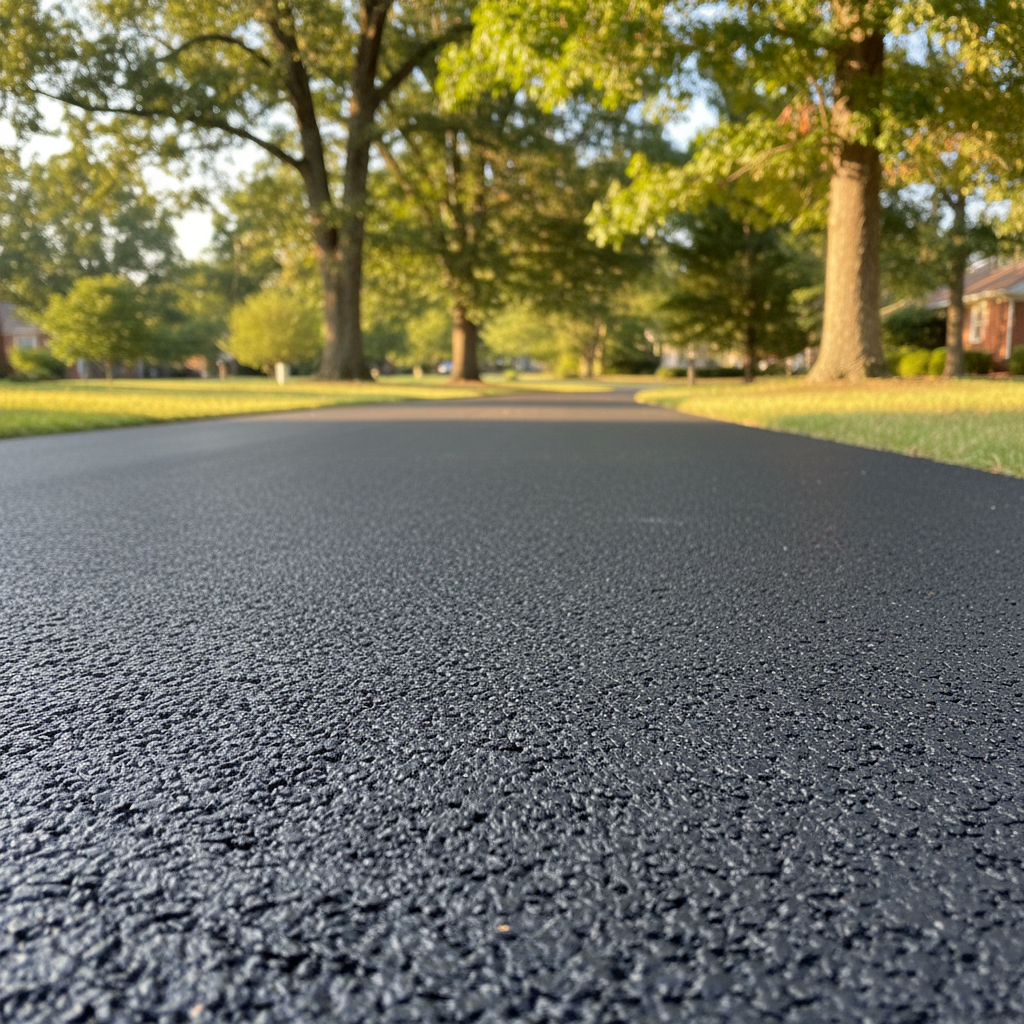
How long does an asphalt driveway really last in Birmingham?
That's a big one, and it's not a simple answer because a lot of things play into it. Generally, a well-installed asphalt driveway around here, if it's maintained right, can easily last you 15 to 20 years. I've seen some go longer, especially if they're not getting heavy truck traffic every day. What really shortens its life is poor drainage, heavy loads, and neglecting those small cracks when they first pop up. Our Birmingham summers with that intense sun and then the freeze-thaw cycles we sometimes get in winter? They're tough on asphalt. Good installation, using the right mix for our climate, and then sealing it every few years is key to getting that maximum lifespan.
What's the real cost of a new asphalt driveway compared to concrete?
Alright, let's talk brass tacks. Upfront, asphalt is almost always cheaper than concrete. You're typically looking at about half to two-thirds the cost of concrete for a new installation. That's a significant difference for most homeowners. Now, where concrete sometimes catches up is in the long-term maintenance. Concrete is generally more durable against heavy loads and doesn't need sealing. But if you're comparing initial investment, asphalt wins hands down. And with proper sealing and patching, your asphalt can be just as functional and look great for decades without breaking the bank. It's a trade-off, but for many, the initial savings with asphalt make it the smarter choice.
Can I just patch my old driveway, or do I need a full replacement?
This is probably the most common question I get when I'm out giving estimates. It really depends on the extent of the damage. If you've got a few isolated potholes, some minor cracking, or just some worn-out areas, patching is definitely an option. We can cut out the bad sections, repair the base if needed, and lay down new asphalt. Genesis Asphalt Co. does a lot of this kind of repair work. But if your driveway looks like an alligator's back – I'm talking widespread spiderweb cracking, major sinking, or the whole thing is just crumbling – then you're probably past the point of effective patching. At that point, you're just throwing good money after bad, and a full replacement, or at least an overlay if the base is still solid, is going to be your best bet for a lasting solution.
How long does it take to install a new asphalt driveway?
From start to finish, a typical residential asphalt driveway usually takes us anywhere from one to three days. That includes excavating the old surface if there is one, preparing the sub-base, laying down the new aggregate, compacting it, and then finally paving with the hot asphalt. The biggest variables are the size of the driveway and how much prep work the base needs. If we hit a lot of soft spots or unexpected drainage issues, that can add a bit of time. But once the asphalt is down, you can usually walk on it within a few hours and drive on it within 24 to 48 hours. We'll always give you a clear timeline upfront so you know what to expect.
What kind of maintenance does an asphalt driveway need?
Alright, so you've got your beautiful new asphalt driveway. Now what? Maintenance is crucial if you want it to last. First off, get it sealed. I recommend waiting about 6-12 months after installation for the asphalt to fully cure, and then plan on sealcoating every 2-4 years after that. Sealcoating protects it from UV rays, water penetration, and chemicals like oil and gas. You also want to fill any cracks as soon as they appear. Don't let them get big. Small cracks are easy to fix; big cracks let water get under your asphalt, which is a recipe for disaster, especially with our clay soils around Birmingham. Keep it clean, too – sweep off leaves and dirt, and clean up any oil spills quickly. Simple stuff, but it makes a huge difference.
Why does my asphalt driveway sometimes look discolored or faded?
You'll see this a lot, especially on older driveways. That fresh, deep black color eventually fades to a grayish tone. A couple of things cause this. The main culprit is UV radiation from the sun. Our Alabama sun is no joke, and it breaks down the asphalt binder over time, making the surface look dull and faded. Oxidation also plays a role, as the asphalt's oils evaporate. Another reason can be traffic. Areas with more vehicle traffic tend to wear down the surface faster, exposing more of the aggregate underneath, which lightens the appearance. This fading isn't just cosmetic; it means the surface is becoming more brittle and susceptible to cracking. That's another big reason why sealcoating is so important – it puts a fresh protective layer over the asphalt, bringing back that rich black color and shielding it from the elements.
What's the deal with drainage? How does it affect my asphalt?
Drainage is probably the single most overlooked, yet most critical, factor in how long your asphalt lasts. If water sits on your driveway, or worse, gets underneath it, you're asking for trouble. Water softens the sub-base, which is the foundation of your driveway. Once that base gets soft, your asphalt can't support weight properly, leading to cracking, potholes, and sinking. Think about how much rain we get here in Birmingham sometimes – a good downpour can really test a poor drainage system. When we're designing and installing a driveway, we pay close attention to the grade and slope to ensure water runs off properly into drains or away from your house and foundation. Sometimes it means installing French drains or catch basins. Don't ever skimp on good drainage; it's the backbone of a long-lasting driveway.