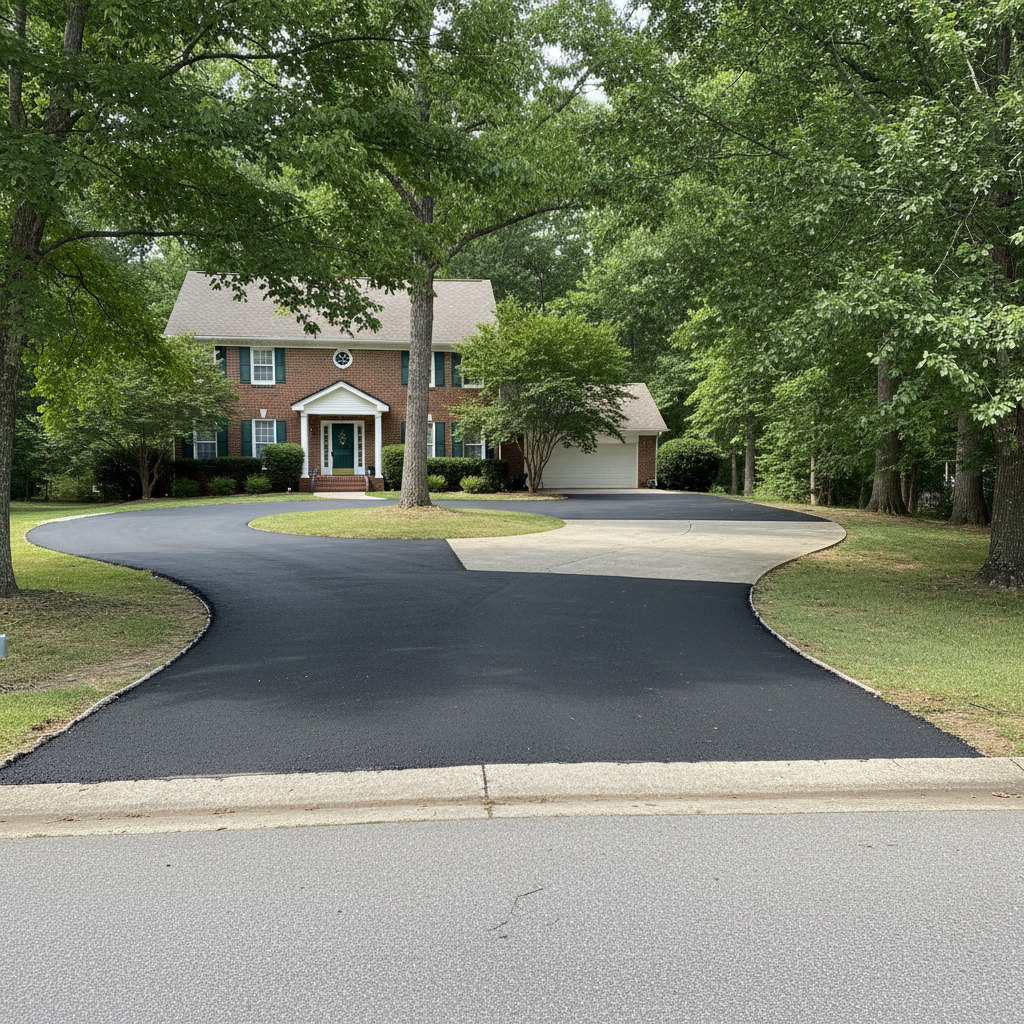
Your driveway's seen better days, huh? Maybe it's got a few potholes that are getting deeper, or cracks that are spreading like wildfire. You're thinking about getting it patched up, and that's a smart move. But before you just call the first number you see, let's talk about how to approach this project right. I’ve been doing this for years here in Birmingham, and I've seen it all.
Timeline: What to Expect from Start to Finish
So, you've decided you need patching. What's the timeline look like? It's not usually a super long process, but it's not instant either. First, you'll reach out to a few contractors. That initial contact to getting an estimate can take a few days, especially if they're busy. Good contractors often are.
Once you get the estimate and decide who you're going with, you'll sign a contract. Then, it's about scheduling. Depending on the season and how many jobs are ahead of yours, this could be anywhere from a week to a few weeks out. We try to get to folks as fast as we can, but quality work takes planning.
The actual patching work itself? For a typical residential driveway, we're usually talking a day, maybe two if it's extensive or if we hit some unexpected issues. We're not building a whole new road, just fixing the bad spots. After we're done, you'll need to let it cure. I usually tell folks to stay off it for at least 24-48 hours, sometimes longer if it's a really hot day in July and the asphalt needs more time to set up properly.
What Happens During the Patching Process?
Alright, so we show up on the scheduled day. First thing we do is assess the areas that need patching. We'll mark them out clearly. Then, we get to work cutting out the damaged asphalt. We don't just fill over existing cracks; we cut out the bad stuff. That means square or rectangular sections get removed. It might look a little rough at this stage, like we're tearing up your driveway, but trust me, it's part of the process.
Once the old, damaged asphalt is removed, we'll clean out the area thoroughly. No debris, no loose material. Then, we'll make sure the base is solid. If the base is failing, we'll address that too, because patching over a weak base is just asking for trouble down the road. We might add new aggregate and compact it if needed. After that, we'll apply a tack coat to the edges of the existing asphalt and the base. This helps the new asphalt bond properly.
Finally, we lay down the new hot asphalt mix. We compact it with a roller or a plate compactor until it's smooth and level with the surrounding pavement. We'll make sure the edges are sealed up nice and tight. Once that's done, we clean up the site, and you're left with a fresh, solid patch. It'll look a bit darker than your old asphalt, but it'll blend in over time.
How to Prepare Your Driveway for the Crew
You don't need to do a ton, but a little prep from your end makes our job easier and faster. Before we arrive, please clear the driveway of any vehicles. We need full access to the areas we're working on. Move any trash cans, basketball hoops, potted plants, or anything else that might be in the way.
If you've got sprinklers near the edge of the driveway, let us know. We don't want to accidentally hit them. Also, if there are any sensitive plants or landscaping right up against the driveway, you might want to cover them with a tarp or plastic sheeting to protect them from any stray asphalt or equipment. We're careful, but it's better to be safe. Just make sure the work area is clear and accessible, and you're good to go.
Questions to Ask Before You Sign That Contract
This is important. Don't just go with the cheapest bid. You're investing in your home, so ask questions. Here's what I'd want to know if I were you:
- What's included in the price? Make sure the estimate clearly breaks down the cost of materials, labor, and any extra steps like base repair. You don't want surprises.
- How do you prepare the area? I just told you how we do it at Genesis Asphalt Co, but not everyone does. Make sure they're cutting out the old stuff, not just paving over it.
- What kind of asphalt mix do you use? Different mixes are good for different things. For patching, you want something durable that'll hold up to our Birmingham weather – those hot summers and occasional freezes can really do a number on pavement.
- What's your warranty? A reputable contractor will stand behind their work. Ask about their guarantee on the patching.
- Can you provide references? And actually call them! Ask about their experience, if the job was on time, and if they were happy with the results.
- Are you licensed and insured? This is non-negotiable. You don't want someone working on your property who isn't properly covered. Ask for proof.
- What's the cleanup process like? We take pride in leaving your property looking better than we found it. Make sure they're not just going to leave a mess for you.
Asking these questions will help you find a reliable contractor who'll do the job right. You want a patch that lasts, not one you'll be calling us back to fix in a year. A little planning goes a long way.