Your driveway's seen better days, huh? Cracks, potholes, maybe it's just uneven and holding water like a kiddie pool after a summer storm. You're probably thinking about getting it repaved, and that's smart. But before you just slap new asphalt on top of old, there's a process called asphalt milling that you should know about. It's often the right first step, and it can save you a lot of headaches and money down the road.
What Even IS Asphalt Milling?
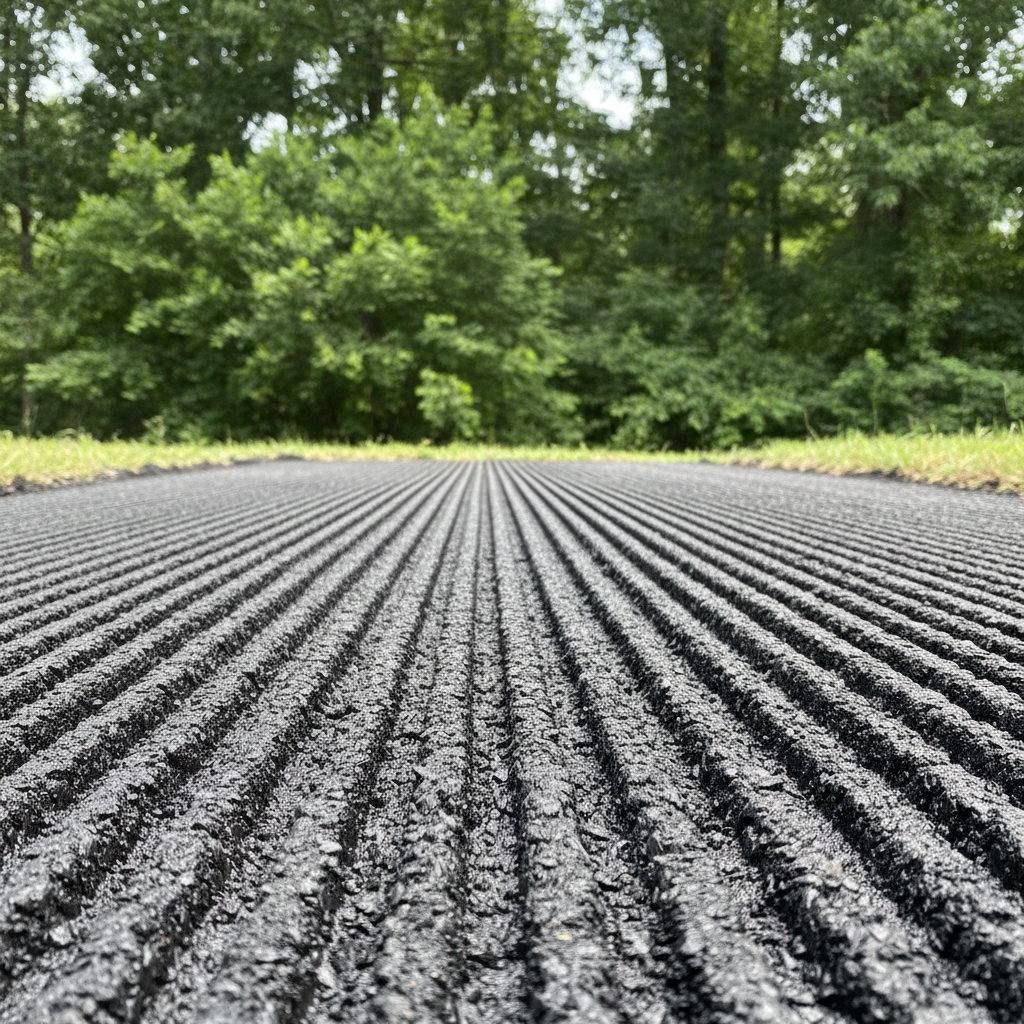
Alright, let's get straight to it. Asphalt milling, sometimes called cold planing or scarifying, is basically grinding off the top layer of your existing asphalt. Think of it like a giant cheese grater for your driveway. A specialized machine comes in and shaves off a few inches of that old, worn-out surface. It leaves behind a rough, textured base that's perfect for a new layer of asphalt to bond to.
Why do this instead of just paving over it? Well, if your old asphalt is severely cracked, crumbling, or has major drainage issues, just adding more on top is like putting a band-aid on a broken leg. You're not fixing the root problem. Milling gets rid of the bad stuff, creates a consistent, solid base, and helps maintain your driveway's original grade and drainage. This is especially important in Birmingham, where our clay soils can shift and cause all sorts of foundation issues if water isn't draining correctly away from your house.
Before the Project: What You Can Do
Before any heavy equipment shows up, there are a few things you, as the homeowner, can do to prepare. This isn't about doing the milling yourself – trust me, you don't want to try that with a pickaxe and a wheelbarrow. This is about making the job easier and safer for the pros, and ensuring you get the best outcome.
- Clear the Area: Move your cars, bikes, trash cans, planters, anything that's near the driveway. The milling machine is big, and it needs room to work.
- Mark Sprinkler Heads & Utilities: This is huge. If you have any underground sprinkler heads, invisible dog fences, or shallow utility lines running near or under your driveway, mark them clearly with flags or spray paint. We're careful, but these machines are powerful, and nobody wants to bust a water line.
- Talk to Your Neighbors: If the work is going to be noisy or block access temporarily, give your neighbors a heads-up. Good neighbor relations are always a win.
- Discuss Drainage: Walk the driveway with your contractor. Point out any spots where water always puddles. This is your chance to make sure the new surface will direct water where it needs to go, away from your foundation.
What you probably can't do yourself is assess the structural integrity of your existing sub-base. That's where a pro comes in. They'll look for signs of deeper issues that milling alone won't fix, like a completely failed base layer that might need full excavation.
During the Project: What to Expect
When the crew from Genesis Asphalt Co. or another reputable company shows up, here's what you'll see:
- Noise and Dust: Milling machines are loud. And they create dust. It's just part of the process. Keep your windows closed, especially if they're close to the work area.
- Heavy Equipment: You'll see the milling machine, dump trucks to haul away the old asphalt (called